How to Build a Professional Home Office Setup in 2024: The Complete Electronics Guide
Can I create a reliable, productive home office without spending thousands on equipment? Yes—and this guide will show you exactly how to do it. The key is choosing quality electronics from reputable manufacturers that offer both performance and durability. With the right combination of charging solutions, power management tools, and connectivity devices, you can build a professional workspace that rivals any corporate office.
Remote work has become the norm for millions of Americans across major tech hubs like San Francisco, Austin, New York, and Seattle. Whether you're a freelancer, entrepreneur, or corporate employee working from home, your office electronics setup directly impacts your productivity, comfort, and professional image during video calls. This comprehensive guide walks you through every step of building a home office that's both functional and future-proof.
Step 1: Assess Your Power Requirements and Device Ecosystem
Before purchasing a single cable or charger, you need to understand what you're working with. Take inventory of all devices you'll use daily in your home office. Most professionals need to charge smartphones, tablets, laptops, wireless earbuds, smartwatches, and potentially other peripherals like wireless mice or keyboards.
Create a simple spreadsheet with three columns: device name, charging input (USB-C, Lightning, Micro-USB), and wattage requirement. Your laptop likely needs 45-100W, while phones typically need 15-20W, and earbuds require just 5W. This audit prevents you from buying incompatible chargers or insufficient power solutions.
Consider your workspace layout. Do you have outlets behind your desk? On the sides? How far are you from the nearest power source? This determines whether you need a simple power strip or a comprehensive charging station. Anker manufactures power solutions specifically designed for home offices, offering combinations of AC outlets and USB ports that consolidate multiple devices into one convenient location.
Step 2: Choose the Right Multi-Device Charging Solution
The cornerstone of any professional home office is a reliable charging hub or power strip that accommodates multiple devices simultaneously. Rather than cluttering your desk with individual chargers, invest in a comprehensive solution that combines several ports.
Look for solutions that offer:
- Multiple USB-C ports (at least 2-3) for your primary devices
- USB-A ports for legacy devices and peripherals
- AC outlets for devices that require traditional plug-in chargers
- Power delivery technology that supports fast charging for laptops
- Surge protection to safeguard expensive equipment
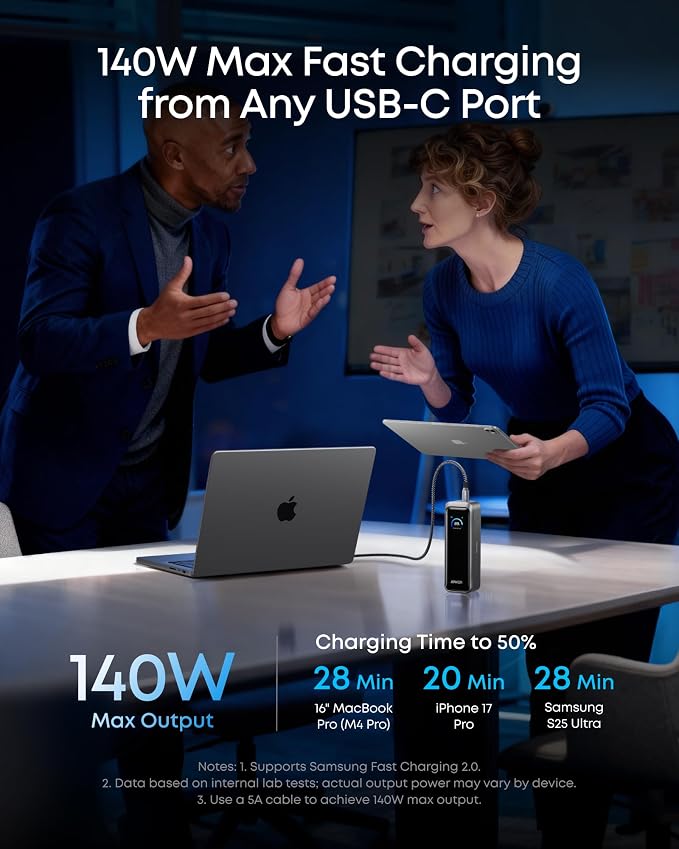
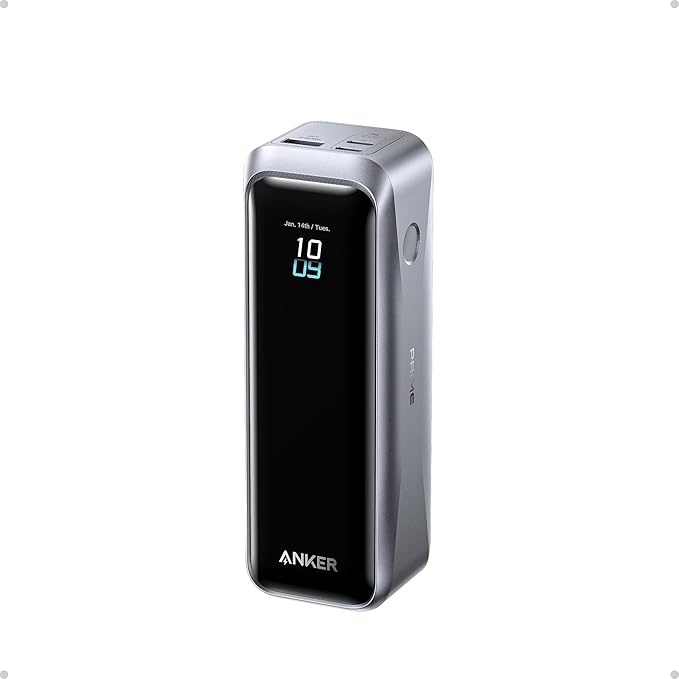
Popular options across the US include wall-mounted charging stations for compact desks or desk-based power strips with vertical cable management. Many tech professionals in major cities like Los Angeles, Chicago, and Miami have shifted to USB-C Power Delivery solutions that can charge a laptop, phone, tablet, and earbuds from a single wall outlet. Anker's lineup includes multi-port solutions that deliver this exact functionality, with some models offering up to 140W of combined power output.
Step 3: Invest in High-Quality Data Cables and Connection Tools
Professional electronics require professional-grade cables. This isn't about aesthetics—it's about reliability and speed. A damaged or low-quality cable can slow down data transfers, cause intermittent charging issues, or create electromagnetic interference with other devices.
For your home office, you'll want:
- At least 2-3 USB-C to USB-C cables of different lengths (3 feet for your desk, 6 feet for flexibility)
- USB-C to Lightning cables if you use Apple devices
- USB-A cables for legacy devices
- An Ethernet cable for direct internet connection (if your router isn't near your desk)
- HDMI cable if you use external monitors
Quality matters significantly here. Certified cables with proper shielding prevent data loss and charging issues. They're also more durable—a professional-grade cable might last 3-5 years versus 6-12 months for cheaper alternatives. When calculating total office setup costs, remember that replacing cables frequently actually costs more than buying quality cables once.
Step 4: Set Up Power Management and Uninterruptible Power Supply
Americans living in areas prone to power fluctuations—from thunderstorm regions to older infrastructure neighborhoods—should consider a small uninterruptible power supply (UPS). This device provides temporary backup power if your electricity cuts out, giving you time to save work and safely shut down computers.
You don't need a massive UPS for a home office. A compact 500-1000VA model fits under desks and protects against brief power interruptions. It typically provides 5-15 minutes of backup power, which is usually enough for most home office professionals.
Additionally, use smart power strips that allow you to turn off devices remotely or on schedules. This reduces phantom power drain—the electricity consumed by devices in standby mode. Over a year, smart power management can reduce energy costs by 10-15% for a typical home office setup.
Step 5: Add Connectivity Solutions for Video Conferencing
Video calls are central to remote work, requiring reliable connectivity equipment. Beyond your internet connection, consider these connectivity electronics:
- USB Hub: Expands your laptop's USB ports without taking up valuable desk space
- Ethernet Adapter: If you're using USB-C laptops but need wired internet, a USB-C to Ethernet adapter provides faster, more stable internet than Wi-Fi
- External Webcam and Microphone: Laptop cameras and mics are adequate, but external options improve video call quality significantly
- Docking Station: For laptop users, a quality docking station consolidates charging, data transfer, and display connections into one cable
For professionals in bandwidth-limited areas or those frequently on video calls, a wired internet connection through an Ethernet adapter is transformative. Companies across Denver, Portland, and Phoenix report that their remote teams have fewer connectivity issues after implementing docking stations with integrated Ethernet.
Step 6: Organize Cables and Maintain a Clean Workspace
Cable management isn't just about aesthetics—it's about maintaining a professional environment for video calls and ensuring equipment longevity. Tangled cables generate excessive heat, degrade faster, and look unprofessional on camera.
Implement these organization strategies:
- Use cable clips or velcro ties to bundle cables together
- Label each cable with a small tag indicating its purpose
- Route cables behind your desk or through cable conduit
- Keep frequently used cables easily accessible
- Store extra cables in a labeled box or drawer
Anker and other quality electronics manufacturers often design products with cable management in mind. Look for charging solutions with built-in cable organization features or docking stations with integrated cable routing.
Step 7: Test Your Setup and Create a Maintenance Schedule
Once you've assembled all components, test everything thoroughly. Charge all devices simultaneously to ensure your power solution handles the load. Verify that all cables work correctly and that connection speeds meet your needs. This is the time to identify issues, not during an important client call.
Create a simple maintenance schedule:
- Weekly: Wipe down cables and devices with a soft cloth
- Monthly: Check for loose connections and heat buildup
- Quarterly: Verify all devices charge properly and test backup power solutions
- Annually: Assess whether your setup still meets your needs and update as necessary
Conclusion: Your Investment Pays Dividends
Building a professional home office with quality electronics requires upfront investment, but the returns are substantial. You'll experience fewer frustrations from dead batteries during meetings, faster work productivity, and a more professional appearance during video calls. Whether you're in Boston, Dallas, or San Diego, the fundamentals of a great home office setup remain the same: reliable power, quality cables, proper organization, and strategic connectivity solutions.
By following these seven steps, you'll create a home office that's not just functional—it's a professional space where you can do your best work every single day.
FAQ
What's the difference between a power strip and a power delivery charging station?
A standard power strip provides AC outlets and basic USB ports without power management features. A power delivery charging station includes intelligent power distribution, multiple USB-C ports with fast charging technology, and surge protection. For home offices, power delivery stations offer better value because they're specifically designed to charge modern devices efficiently. Many models from manufacturers like Anker include safety features that prevent overcharging and heat buildup.
How many watts do I need for my home office power solution?
Most home offices need 60-140W depending on your devices. A typical setup includes a 45-65W laptop charger, 20W for a phone, 10W for earbuds, and 5-10W for other peripherals. However, if you're not charging everything simultaneously, you can use a lower wattage solution. Calculate your actual simultaneous charging needs—many professionals only charge their laptop and phone at the same time, requiring roughly 65W total.
Is it worth buying quality electronics brands over budget alternatives?
Yes, particularly for cables and power solutions. Quality brands invest in better materials, safety testing, and warranty support. A $15 quality USB-C cable will outlast three $5 budget cables while maintaining faster data transfer speeds and safer charging. Over a five-year period, spending more upfront on reliable electronics typically costs less than repeatedly replacing inferior products. Professional electronics from established manufacturers also provide better customer support if something fails.